
Why Unique Kitchen Gadgets Matter Now
Your kitchen doesn’t need another spatula—it needs innovation that actually solves problems. Unique kitchen gadgets have evolved far beyond gimmicky novelties, transforming into genuine time-savers and space-optimizers that address real cooking frustrations. The modern kitchen gadget market has shifted toward tools focused on sustainability and lasting quality, prioritizing function over flash.
What makes today’s innovative tools different? They multitask smarter. A well-designed gadget doesn’t just perform one function—it collapses three steps into one, fits into tight spaces, and earns its drawer real estate. With kitchen sizes shrinking and home cooking accelerating, efficiency has become non-negotiable with these interesting kitchen gadgets.
The advantage? You don’t need a complete kitchen overhaul. Strategic additions of specialized tools can dramatically upgrade your cooking experience without cluttering countertops. From compact appliances that deliver restaurant-quality results to clever manual tools that slash prep time, the right cool kitchen gadgets create momentum in your cooking routine.
Let’s explore the specific tools that deliver genuine value—starting with the smallest powerhouse that’s revolutionizing breakfast.
Unique Kitchen Gadgets: Mini Waffle Maker – Small Yet Mighty
The mini waffle maker represents a perfect example of how unique kitchen gadgets can maximize functionality while minimizing space—a critical factor in modern kitchens where counter real estate comes at a premium. These compact powerhouses typically measure just 4-6 inches in diameter, yet they’ve transformed breakfast routines for millions of households.
What makes them particularly compelling is their versatility beyond traditional waffles. In practice, users regularly create hash brown patties, brownie bites, cookie sandwiches, and even personal pizzas in under five minutes. The quick heat-up time—often less than three minutes—addresses the morning time crunch that defeats larger appliances.
The energy efficiency alone justifies the investment: mini waffle makers consume approximately 350-500 watts compared to 800-1,500 watts for full-sized versions, translating to roughly 60% less energy per cooking session. For apartment dwellers or college students with limited electrical capacity, this difference matters significantly.
The best models feature non-stick ceramic coatings and indicator lights that eliminate guesswork—no more burnt edges or undercooked centers. They store vertically in cabinets where full-sized waffle makers couldn’t dream of fitting, making them accessible for daily use rather than relegated to occasional weekend status.
Quirky Kitchen Gadgets: Julienne Peeler – Precision and Elegance
The julienne peeler stands among the most underrated quirky kitchen gadgets for home cooks seeking restaurant-quality presentation without the knife skills. This deceptively simple tool transforms ordinary vegetables into uniform matchstick cuts—perfect for stir-fries, garnishes, or colorful salads that actually look Instagram-worthy.
What sets quality julienne peelers apart is their blade engineering. The parallel teeth create consistent strips without the grip strength required for traditional peeling motions. One practical approach is to use it on firmer vegetables like carrots, zucchini, and cucumbers where the blades can maintain their cutting angle. However, softer produce like tomatoes will frustrate most users regardless of price point. The real advantage emerges when prepping large quantities. A common pattern in meal prep routines shows users cutting vegetables into julienne strips in minutes rather than the 15-20 minutes required with knife work. This efficiency matters for weeknight dinners when presentation shouldn’t require sacrificing time.
Transitioning to healthier eating becomes visually appealing—strips of colorful vegetables naturally encourage larger portions. The spiral vegetable slicer takes this concept even further with pasta-like ribbons.
Spiral Vegetable Slicer: Transforming Vegetables
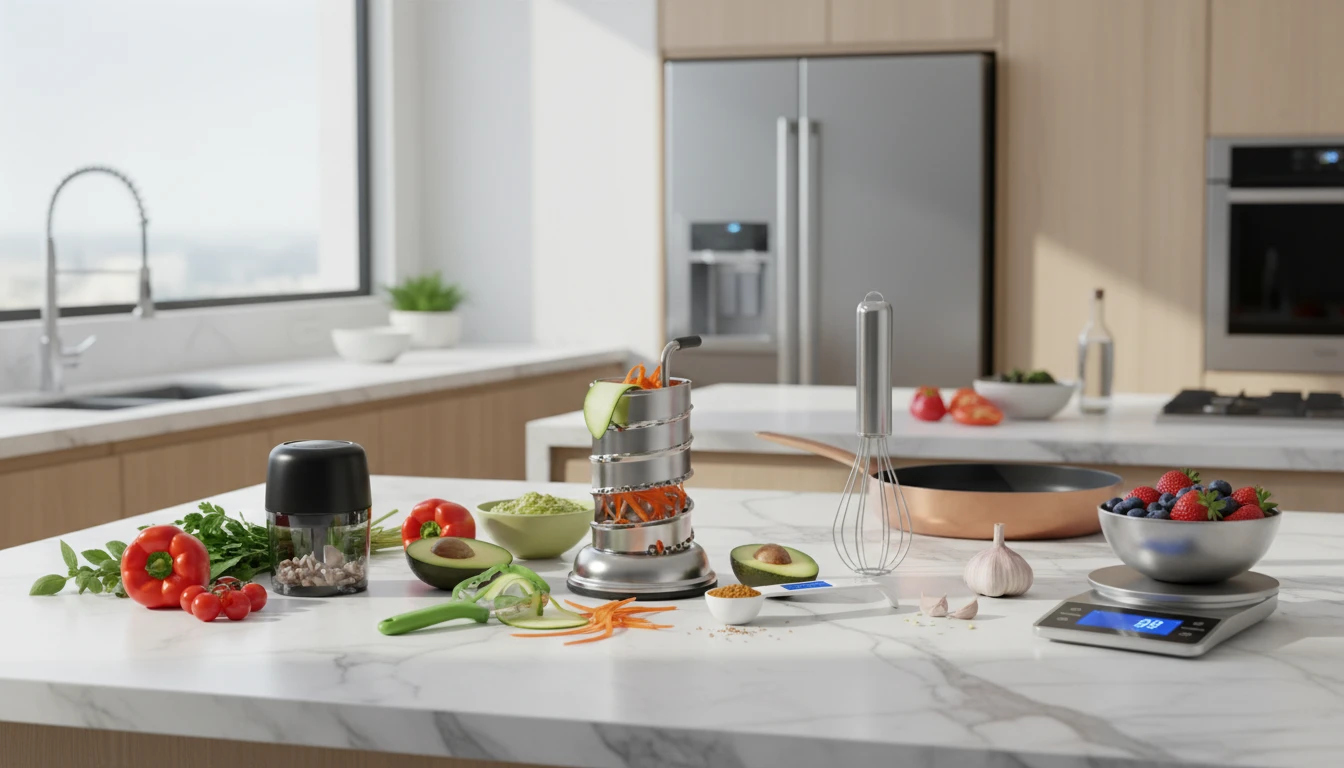
The spiral vegetable slicer has transformed how home cooks approach healthy eating, turning ordinary vegetables into visually appealing noodle alternatives. This gadget turns zucchini, carrots, and cucumbers into restaurant-quality spirals within seconds—a feature of innovative kitchen tools for anyone embracing low-carb or plant-based diets.
What makes spiral slicers particularly valuable is their ability to encourage vegetable consumption through creative presentation. A study on home cooking equipment and dietary behaviors found that specialized preparation tools correlate with increased fruit and vegetable intake among home cooks. The psychological impact is clear: when vegetables look more interesting, people eat more of them.
Modern spiral slicers typically offer multiple blade options—from thick ribbon cuts to fine angel hair spirals—allowing for versatility across different recipes. The hand-crank versions provide precise control, while countertop models with suction bases offer stability for processing larger quantities. For meal preppers who batch-cook for the week, this simple tool streamlines an otherwise tedious cutting process, making healthy choices more convenient than reaching for processed alternatives.
Garlic Chopper: Efficiency in the Kitchen
The garlic chopper represents a breakthrough among innovative kitchen tools that transform one of cooking’s most tedious tasks into a one-second operation. Anyone who has spent five minutes mincing garlic by hand—only to have it stick to their knife and fingers—understands why this gadget has become essential in modern kitchens.
These compact devices work through a simple rocking motion or twist mechanism that produces uniformly minced garlic without the lingering smell on your hands. The best models feature stainless steel blades, easy-clean chambers that rinse under water in seconds, and making them practical for daily use rather than novelty items that gather dust. What separates quality garlic choppers from mediocre versions is the consistency of the mince. Premium models produce restaurant-quality results—fine enough to distribute evenly through sauces and marinades, yet substantial enough to retain that fresh garlic punch. For anyone who cooks with garlic regularly, the time saved across a year adds up to hours.
Switching from manual mincing to mechanical chopping encourages more adventurous cooking. When garlic preparation takes seconds instead of minutes, you’re more likely to add it to weeknight meals—and that’s how simple tools can genuinely elevate your everyday cooking experience. Next up: tackling another kitchen challenge that often leaves home cooks frustrated.
Pineapple Slicer: A Tropical Necessity
The pineapple slicer ranks among those unique kitchen gadgets that seem single-purpose until you’ve wrestled with a whole pineapple using just a knife. This corkscrew-shaped tool cores and slices fresh pineapple in under 30 seconds, transforming a messy 10-minute ordeal into a simple twist-and-pull motion.
What makes this gadget particularly practical is its dual function—the hollowed-out pineapple shell becomes a ready-made serving bowl for fruit salad or tropical drinks. The device creates perfectly uniform rings without the dangerous knife work or inevitable waste that comes with traditional cutting methods.
For households that regularly purchase whole pineapples, this tool pays for itself quickly. Fresh pineapple costs significantly less per pound than pre-cut options, and the slicer ensures you extract every edible bit of fruit. The result? Restaurant-quality presentation with minimal effort, and one less reason to opt for the expensive pre-sliced alternative at the grocery store.
While it might seem overly specialized at first glance, anyone who’s struggled with pineapple prep understands its immediate value.
Conventional Wisdom vs. Reality: Are Gadgets Worth It?
The kitchen gadget industry thrives on a fascinating paradox—conventional wisdom suggests single-purpose tools waste space and money, yet these quirky kitchen gadgets consistently outsell their utilitarian counterparts. The reality lies somewhere between skepticism and enthusiasm.
What typically happens is that consumers purchase with enthusiasm but use inconsistently. Research on home cooking equipment reveals that gadget utility depends heavily on cooking frequency and meal preparation patterns. A household that prepares fresh garlic daily will extract tremendous value from a garlic press, while someone who cooks occasionally may find it gathering dust.
The true measure isn’t whether a gadget serves multiple purposes—it’s whether it eliminates a genuine friction point in your cooking routine. An avocado slicer seems absurdly specific until you’re preparing guacamole weekly and realize it saves genuine time while reducing knife cuts. Similarly, egg separators appear unnecessary until you’re regularly baking and appreciate the mess-free consistency.
However, the Instagram-worthy appeal of novelty gadgets often overshadows practical assessment. A pineapple corer delivers value for tropical fruit enthusiasts but represents wasted drawer space for someone who buys pre-cut fruit. The decision should hinge on honest evaluation of your actual cooking habits, not aspirational ones.
Limitations and Considerations
Not every unique kitchen gadget deserves permanent counter space. The julienne peeler illustrates this perfectly—while it creates beautiful vegetable ribbons, a decent chef’s knife accomplishes the same task with proper technique. The real question isn’t whether a gadget can perform its function, but whether it performs significantly better than alternatives you already own.
Storage represents the most practical constraint. Single-purpose tools accumulate quickly, and research on home cooking environments shows cluttered kitchens correlate with reduced cooking motivation. Before purchasing, consider whether you’ll realistically use the gadget monthly or if it’ll join the waffle maker gathering dust.
Durability varies wildly across unique gadgets. Premium versions of specialized tools—like commercial-grade garlic presses or professional mandolines—often justify their cost through longevity. Cheaper alternatives frequently break within months, creating more waste than value. The sweet spot lies in gadgets that solve genuine pain points while offering build quality that survives regular use. If you’re buying for novelty rather than necessity, expect disappointment when the excitement fades.
Key Takeaways
Not every unique kitchen gadget deserves your attention—but the right ones transform daily cooking from tedious to effortless. The best specialized tools solve specific problems you actually face, whether that’s perfectly uniform vegetable ribbons or hands-free stirring for delicate sauces.
Focus on versatility within specialization. An herb stripper that doubles as a kale stem remover, or a citrus press that handles everything from limes to grapefruits, delivers better value than single-use novelties. Expert testing reveals that gadgets combining clever design with durable materials justify their counter space.
Consider these selection criteria:
- Storage footprint: Can it nest, collapse, or hang?
- Cleaning ease: Dishwasher-safe and crevice-free designs win
- Material quality: Stainless steel and silicone outlast plastic alternatives
- Actual frequency: Will you use it weekly or just impress guests once?
The smartest approach? Prioritize tools addressing your most repetitive kitchen frustrations. That garlic rocker or avocado slicer might seem frivolous—until you realize how often you actually need it.
What are the most beautiful kitchen tools that you own?
Beauty and function don’t have to compete in the kitchen. Copper mixing bowls rank among the most visually striking pieces—their warm metallic glow ages gracefully over time, developing a patina that tells the story of countless meals. The hammered texture catches light differently throughout the day, transforming a utilitarian bowl into a countertop sculpture worth displaying.
Japanese knives with Damascus steel blades offer another level of aesthetic achievement. The distinctive wavy pattern etched into the blade isn’t mere decoration—it results from folding multiple steel layers during forging. Each knife becomes unique, combining museum-worthy craftsmanship with precision cutting ability.
Wooden citrus reamers carved from single blocks of hardwood prove that traditional tools can be artwork. The grain patterns create one-of-a-kind pieces that feel satisfying in hand while extracting juice with surprising efficiency. Similarly, marble mortar and pestle sets add sculptural weight to counters, their veining patterns making each piece distinctive while providing the thermal mass needed for proper grinding.
High-end kitchen gadgets often prioritize aesthetics alongside performance, recognizing that tools used daily deserve to be beautiful. A thoughtfully designed object elevates the entire cooking experience.
What unconventional kitchen gadgets do you actually find useful?
The truly unconventional tools earn their space by solving problems you didn’t know existed—until suddenly they become indispensable. A bench scraper ranks among the most unexpectedly versatile: it portions dough, scrapes work surfaces clean, transfers chopped vegetables, and even levels flour in measuring cups. What seems like a simple metal rectangle becomes the tool you reach for hourly.
Silicone pot holders deserve mention for their heat resistance up to 500°F and their surprising grip on slippery jar lids. Unlike fabric versions that collect grease, lose effectiveness when wet, and these maintain their function regardless of conditions. They’re unconventional only because most home cooks stick with tradition. Offset spatulas originally designed for cake decorating prove invaluable for spreading anything—from nut butter to marinades. The angled blade provides leverage that straight spatulas can’t match, making formerly frustrating tasks almost effortless.
The pattern here? Unconventional tools that stick around solve multiple problems rather than performing a single trick. They’re the workhorses that quietly improve your workflow without demanding attention or specialized storage solutions. The most exotic knife sharpener in the world means nothing without consistently useful fundamentals backing it up.
What’s the most unique or exotic kitchen gadget you’ve encountered?
The truly exotic kitchen tools often come from culinary traditions beyond Western cooking—devices that seem bewildering at first but reveal ingenious solutions to specific problems. A Japanese tamago maker, designed specifically for rolling perfect rectangular omelets, transforms a technique-intensive process into something accessible. Similarly, a traditional Indian spice grinder called a sil batta uses granite stones to unlock aromatics in ways electric grinders can’t match.
What makes these gadgets exotic isn’t just their origin—it’s their single-minded purpose. A Thai coconut scraper with its serrated metal blade attached to a wooden seat looks primitive until you need fresh coconut meat. A Mexican molcajete made from volcanic rock doesn’t just grind; its porous surface creates textures impossible to replicate with smooth mortar-and-pestle sets.
The genuinely unique tools challenge assumptions about efficiency. A Korean stone bowl (dolsot) weighs several pounds and requires preheating, yet it creates that signature crispy rice crust no metal pan can achieve. These specialty items prove that sometimes the most exotic solution is simply the right tool for a very specific job—one that mainstream gadget culture hasn’t yet discovered or fully appreciated.
What are the 5 best and trendy kitchen gadgets in the USA?
The American kitchen gadget market shifts constantly, but certain tools have captured attention for genuinely solving everyday cooking frustrations. Here’s what’s currently dominating wish lists:
1. Smart countertop composters transform food scraps into fertilizer overnight, addressing waste concerns while eliminating odors—a game-changer for urban kitchens without outdoor compost bins.
2. Precision cookers (sous vide devices) have evolved beyond restaurant kitchens. Modern versions connect via smartphone apps, letting you monitor proteins from anywhere and achieve restaurant-quality results with minimal effort.
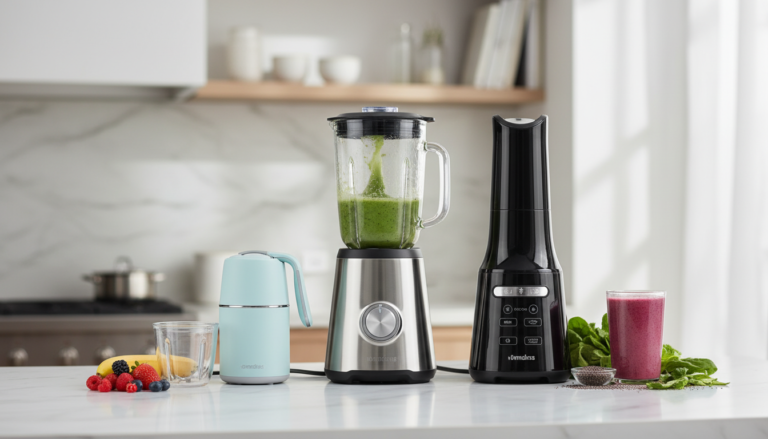
3. High-speed blenders with vacuum technology remove air before blending, preventing oxidation and preserving nutrients. The difference in smoothie color alone converts skeptics immediately.
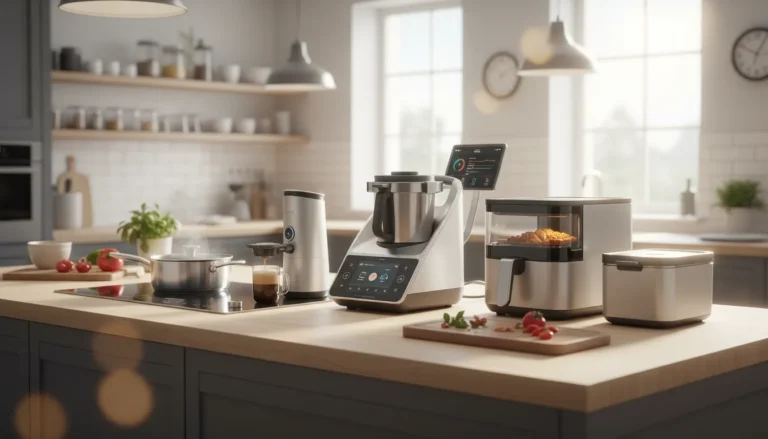
4. Multifunctional air fryer-pressure cooker hybrids consolidate multiple appliances into one countertop unit. They’re not revolutionary individually, but the space savings matter tremendously in smaller American homes.
5. Herb preservation pods keep fresh herbs alive on countertops through controlled light and water systems. They extend basil’s shelf life from days to weeks—meaningful when quality herbs cost premium prices.
These tools share one trait: they solve specific, frustrating problems rather than creating solutions searching for problems.
What are the most innovative or unique kitchen utensils or gadgets available?
The cutting edge of kitchen innovation extends far beyond novelty—it’s reshaping how we approach sustainability, accessibility, and efficiency in home cooking. Beyond quirky kitchen gadgets, designers are now creating tools that prioritize lasting quality and environmental responsibility without sacrificing functionality.
Key Takeaways for the Modern Kitchen:
- Smart integration matters more than gadget quantity—choose tools that solve specific pain points
- Sustainability and durability increasingly define “innovative,” not just technological complexity
- Cultural diversity in kitchen tools offers practical solutions Western markets haven’t explored
- Accessibility features benefit everyone, not just users with specific needs
The most compelling innovations solve real problems elegantly. Whether it’s a pressure canner with modern safety features for preserving seasonal harvests, or ergonomically redesigned versions of classic tools that reduce hand strain, the best unique gadgets earn their counter space through daily usefulness rather than occasional wow factor.
Start small: identify your biggest kitchen frustration, then seek tools designed specifically to address it. The next great gadget for your kitchen isn’t necessarily the newest—it’s the one that transforms your least favorite cooking task into something manageable.
How to Find Unique Kitchen Gadgets
Estimated time: 1 hour
Step 1: Identify Kitchen Needs
Evaluate your cooking frustrations and determine which kitchen tasks could benefit from innovative gadgets.
Step 2: Research Unique Gadgets
Look for unique kitchen gadgets that focus on functionality and efficiency, such as mini waffle makers, julienne peelers, and spiral vegetable slicers.
Step 3: Select Convenient Tools
Choose tools that fit your kitchen space and needs, ensuring they are compact and multifunctional to save time and energy.
Step 4: Purchase Gadgets
Buy the selected gadgets from reputable stores or online platforms, checking for features like non-stick coatings and multiple blade options.
Step 5: Test Gadgets
Use the new gadgets in your cooking routine to see how they improve efficiency and presentation in meal preparation.
Step 6: Incorporate into Routine
Make these gadgets a regular part of your cooking process to enhance your culinary experience and encourage healthier eating habits.
Step 7: Share Your Experience
Consider sharing your cooking results and experiences with these unique kitchen gadgets on social media or with friends.


One Comment
Comments are closed.