Speed Queen Top Loading Washer: Durability You Can Pass Down vs. Modern Convenience
Introduction to Speed Queen Top Loading Washing Machines
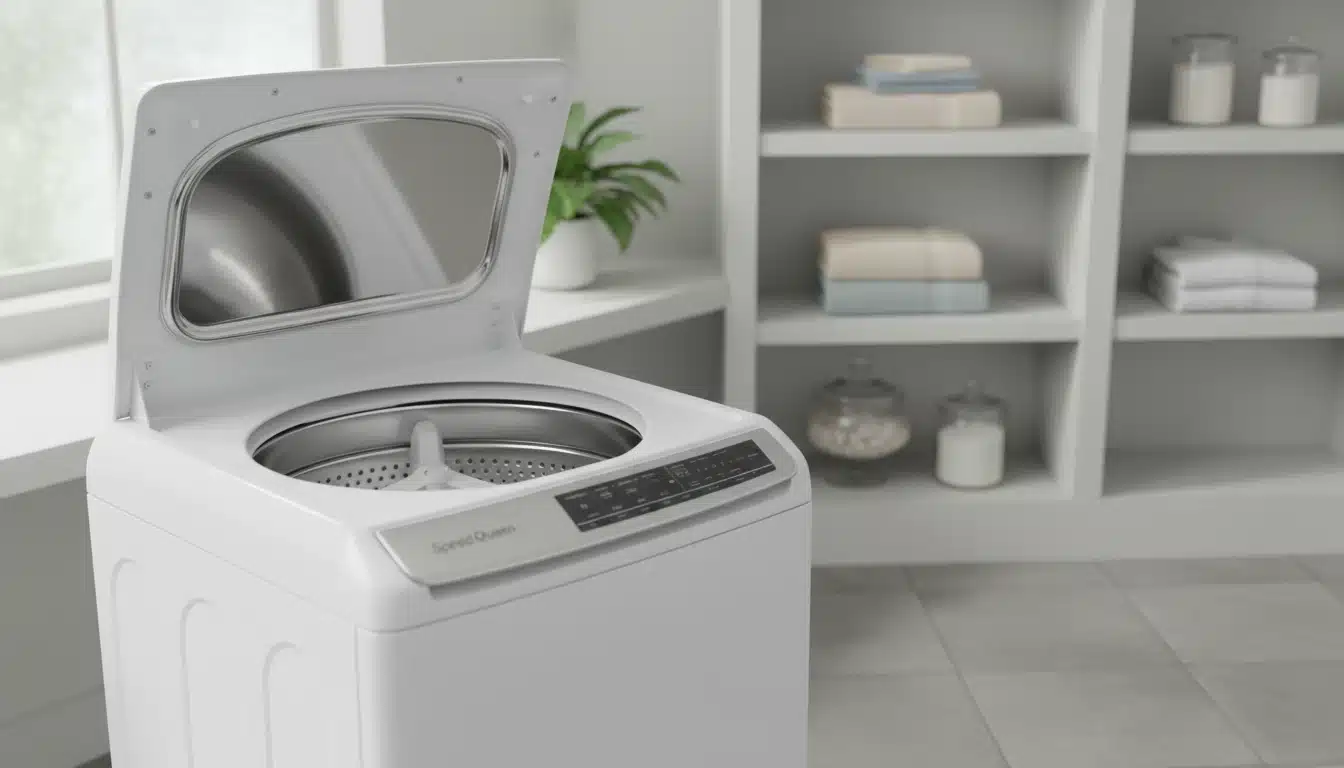
When evaluating a Speed Queen top loading washer, it’s important to understand the key differences. A top loading washing machine features an upward-opening lid that allows users to load laundry from above, rather than through a front-facing door. This traditional design has remained popular in American households for decades, offering convenient access without bending and the ability to add forgotten items mid-cycle.
Speed Queen has built its reputation on exceptional durability and longevity, earning a distinctive position in the residential laundry market. Unlike many manufacturers who’ve shifted toward lighter construction and complex electronics, Speed Queen maintains commercial-grade quality standards in their residential models. The brand’s washers typically carry warranties spanning 3-5 years on parts and labor, significantly exceeding industry averages.
What sets Speed Queen top loading washers apart? Three fundamental characteristics define the brand’s approach. First, their machines feature heavy-duty construction with metal components rather than plastic assemblies common in consumer-grade alternatives. Second, Speed Queen employs a traditional mechanical control system that reduces potential failure points. Third, their wash action uses a proven agitator design that delivers thorough cleaning performance.
While researching issues with Speed Queen washers reveals some owner concerns about pricing and cycle options, the overwhelming pattern shows reliability ratings that outperform conventional residential washers. This combination of robust engineering and straightforward functionality positions Speed Queen as the choice for buyers prioritizing longevity over feature complexity. For more ways to build a durable and efficient home, explore our guides in the Cleaning & Organization category.
Table of Contents
Framework for Choosing a Speed Queen Top Loader
Selecting the best Speed Queen washer requires a systematic approach that aligns machine capabilities with your household’s specific laundry demands. Rather than getting overwhelmed by specifications, focus on three core evaluation criteria: capacity requirements, cycle performance, and long-term operating costs.
Start by assessing your household’s laundry volume. Speed Queen offers top load washers ranging from 3.2 to 5.0 cubic feet, with capacity directly impacting how often you’ll run loads. A family of four typically benefits from at least 4.2 cubic feet, while smaller households or those with limited space may find the 3.2 cubic feet model sufficient. This decision fundamentally shapes your daily laundry routine efficiency.
Next, evaluate cycle speed and customization options. The TR7006WN model includes features like automatic water level adjustment and multiple wash cycles, while more basic models offer simplified controls that some users prefer. Consider whether you need specialty cycles for delicates or heavy-duty items, or if standard settings meet your needs.
Energy efficiency deserves careful attention, particularly given Speed Queen’s reputation for durability. While these machines may have higher upfront costs—one reason why Speed Queen is not in big box stores is that the brand maintains selective distribution through specialty dealers—their 25-year expected lifespan means calculating cost-per-use rather than just purchase price. This framework transforms what seems like a premium investment into a practical long-term value proposition, setting the stage for understanding which specific features justify that investment.
Key Features of Speed Queen Top Load Washers
Speed Queen distinguishes itself through commercial-grade construction that addresses the most common failure points in residential washing machines. At the core of every model lies a stainless steel tub engineered to resist corrosion and withstand decades of use—a stark contrast to the plastic components found in many competitors. The robust stainless steel agitator delivers powerful wash action that moves clothes through the water rather than simply tumbling them, ensuring thorough cleaning even for heavily soiled items.
Modern models like the Speed Queen TR5 offer multiple cycle options while maintaining mechanical simplicity. Users can select from standard wash cycles, heavy-duty settings for work clothes, and delicate options for everyday fabrics. Unlike feature-heavy alternatives, Speed Queen prioritizes reliable performance over complex electronics—a critical distinction when comparing Speed Queen versus LG washers or other brands that emphasize touch screens and connectivity features.
The brand’s legendary durability stems from industrial-quality components designed for 25-year lifespans. Metal gears replace plastic alternatives, while the suspension system absorbs heavy load vibrations without premature wear. This focus on longevity and minimal mechanical issues means fewer service calls and lower lifetime ownership costs, though initial investment runs higher than conventional residential machines. This philosophy aligns well with other long-term home investments we’ve reviewed, such as the best home gym equipment 2026.
Comparing Speed Queen Models: TR Series vs. TC5
Speed Queen offers two distinct top-loading approaches: the TR Series represents modern innovation, while the TC5 delivers classic agitator-based cleaning. This fundamental difference shapes everything from wash performance to energy consumption.
The TR Series employs a low-profile impeller system, creating a Speed Queen top loading washer without agitator in the traditional sense. This design maximizes usable capacity—the TR7 offers 4.2 cubic feet—while using controlled water levels and optimized cycles. Users gain flexibility through customizable wash options and a modern interface, though some note that heavily soiled loads may require pre-treatment. The impeller approach typically consumes less water per cycle, contributing to lower utility bills over time.
In contrast, the TC5 maintains the conventional dual-action agitator that built Speed Queen’s reputation in the Speed Queen commercial-grade washer market. The aggressive mechanical action excels at removing stubborn stains from work clothes and heavily soiled items without intervention. However, this cleaning power comes with trade-offs: the agitator reduces effective capacity to approximately 3.2 cubic feet and uses more water per cycle than impeller models.
Energy efficiency becomes the deciding factor for many households. The TR Series achieves better ratings through reduced water consumption and faster spin speeds that extract more moisture. The TC5 prioritizes cleaning power over efficiency metrics, appealing to users who value stain removal above utility savings.
Target audiences diverge clearly: the TR Series suits efficiency-focused households with moderately soiled laundry, while the TC5 serves those requiring commercial-grade cleaning performance at home—particularly families with active children or physically demanding occupations.
Model-Specific Breakdown
TC5 Series: The Classic Workhorse
The TC5 model represents Speed Queen’s commitment to traditional washing technology. This classic design approach centers on a stainless steel tub and genuine agitator system—components engineered to handle heavy loads without complexity. The TC5 operates without digital controls or advanced sensors, relying instead on proven mechanical timers and straightforward water fill systems. This simplicity directly supports the reliability of Speed Queen, as fewer electronic components means fewer potential failure points over the machine’s expected 25-year lifespan.
TR Series: Modern Engineering Meets Durability
The TR line introduces advanced wash technology while maintaining Speed Queen’s durability standards. The TR7 model features a digital interface with programmable wash cycles and automatic water level sensing—technology that optimizes water usage without sacrificing cleaning performance. As the largest Speed Queen washer in the residential lineup, the TR7 offers a 5.2 cubic foot capacity, accommodating king-size comforters and bulky items that would require multiple loads in smaller machines. The TR Series distinguishes itself through its Dynamic Balancing System, which automatically redistributes unbalanced loads during the spin cycle—a feature that reduces vibration and extends component life while maintaining the commercial-grade construction that defines the brand. For those integrating smart appliances into their home, this model pairs well with the best smart thermostats 2026 we’ve reviewed.
What the Research Shows About Speed Queen Longevity
Speed Queen machines stand apart in longevity testing, with the company backing their products with industry-leading warranties. The Speed Queen TR7 comes with a robust 7-year warranty covering parts and in-home labor—a confidence signal rarely matched in the appliance industry. This warranty reflects the manufacturer’s expectation that these machines will outlast typical ownership cycles.
User reports consistently confirm extended service life. A common pattern is machines operating reliably for 15-20 years with minimal intervention, significantly exceeding the 8-10 year average for conventional washers. The TR7 model particularly earns praise for maintaining consistent performance over thousands of wash cycles without the electronic failures that plague many competitors.
Maintenance requirements remain straightforward: cleaning the tub monthly, checking hoses annually, and ensuring balanced loads. The simplicity of Speed Queen’s mechanical design means fewer potential failure points. When issues do arise, straightforward diagnostics make it easier to fix Speed Queen top-load washer problems compared to complex computerized alternatives.
However, longevity depends on proper use. Overloading remains the most common abuse pattern that accelerates wear on suspension systems and transmission components. Speed Queen’s commercial-grade construction tolerates misuse better than residential machines, but even these workhorses benefit from following capacity guidelines and avoiding detergent overuse that can strain pump systems.
The investment premium typically pays for itself within the first decade through avoided replacement costs and consistent performance. Proper laundry room organization can also extend the life of your appliances—check out our home organization storage ideas for tips.
Common Problems with Speed Queen Washers
Despite their reputation for durability, Speed Queen washers aren’t immune to occasional issues. The most frequently reported problems involve noise and vibration during the spin cycle, which typically stem from improper installation or unbalanced loads rather than mechanical defects. The Speed Queen TC5 and similar models feature self-balancing mechanisms, but uneven flooring or overloading can still trigger excessive movement.
Troubleshooting Common Issues
When noise occurs, start by ensuring the washer sits level on all four feet and that shipping bolts have been removed. Redistributing clothes to balance the load resolves most vibration problems. However, persistent grinding sounds or failure to drain requires professional assessment. Speed Queen’s diagnostic mode can help identify error codes before calling for service.
If your Speed Queen wash not spin, follow these steps:
- Check the Lid Lock: Ensure you hear a definitive click. The machine won’t spin if the lid isn’t securely locked.
- Inspect for Error Codes: Run a diagnostic mode per your manual to identify specific issues.
- Clear the Drain Pump: A clogged pump or filter can prevent draining, which stops the spin cycle.
Warranty and Service Coverage
Speed Queen backs their washers with a seven-year parts and labor warranty on key components—one of the longest in the industry. This coverage demonstrates the company’s confidence in their engineering. For repairs, Speed Queen maintains a network of authorized service providers who understand the machines’ commercial-grade construction. When comparing Maytag vs Speed Queen warranty terms, Speed Queen’s comprehensive coverage typically extends three to four years longer, providing substantial long-term value despite the higher upfront investment.
Limitations and Considerations When Choosing a Speed Queen
Speed Queen’s premium positioning means these machines aren’t the right fit for every household. The most significant consideration is upfront cost—Speed Queen washers typically retail between $1,000 and $1,400, substantially more than mainstream brands. For budget-conscious buyers who prioritize immediate savings over long-term durability, this premium creates a barrier to entry.
Feature trade-offs represent another consideration. Speed Queen deliberately omits popular conveniences like digital displays, Wi-Fi connectivity, and extensive cycle options. Their TC5003WN model, for example, focuses on core washing performance rather than technological bells and whistles. Buyers accustomed to modern conveniences may find this minimalist approach limiting.
Availability remains surprisingly restricted. Unlike competitors found in big box retailers, Speed Queen typically sells through specialty appliance dealers. This distribution strategy limits comparison shopping opportunities and can complicate service arrangements in some regions.
For those researching heavy duty top loading washers, Speed Queen’s robust construction suits commercial environments and large families exceptionally well. However, households with lighter laundry needs may not fully utilize this commercial-grade capability. The machines’ weight and size also present installation challenges in tight spaces—something to consider if you’re also planning a home office desk setup in a limited area.
One practical concern involves troubleshooting. The mechanical simplicity means fewer diagnostic complexities—but repairs require specialized parts that may not arrive as quickly as mass-market alternatives. The warranty coverage typically compensates for this inconvenience, yet it’s worth considering for those prioritizing immediate service response.
Front Load vs. Top Load Speed Queen: Making the Right Choice
While Speed Queen built its reputation on commercial-grade top loaders, the brand also offers front-loading models that cater to different household needs. The decision between these two configurations comes down to more than personal preference—it’s about matching machine characteristics to your specific laundry patterns.
Top load washers provide distinct practical advantages that explain their enduring popularity. The ergonomic design eliminates the need to bend down when loading and unloading, making them ideal for users with mobility concerns or back problems. Modern Speed Queen top loading washers use top loading load sensing washer technology to optimize water levels automatically, though their traditional approach typically uses more water than front-loading alternatives. These machines generally complete cycles faster and allow mid-cycle garment additions—a convenience appreciated by busy households.
Front load models counter with efficiency credentials that align with high-efficiency washers popularity among environmentally conscious consumers. They consume significantly less water per load and typically offer superior extraction during the spin cycle, reducing drying time and energy costs. The drum orientation enables larger capacities in the same footprint, and gentler tumbling action extends fabric life.
User feedback reveals interesting switching patterns. Households transitioning from front to top load frequently cite frustration with front-loader maintenance requirements—particularly mold prevention and door seal cleaning. Conversely, those moving to front loaders often report satisfaction with reduced utility bills and improved cleaning performance on heavily soiled items, despite the initial adjustment to a different loading process.
Key Speed Queen Top Load Washer Takeaways
When buying top-loading washing machines, Speed Queen represents a distinct value proposition centered on industrial-grade construction and exceptional longevity. Unlike appliances designed for 5–7 year lifecycles, Speed Queen top loading washers are engineered with all-metal components and robust mechanical systems that deliver decades of reliable performance—often outlasting multiple conventional machines.
Choosing the right model hinges on matching capacity and features to your household’s specific demands. The TC5 series suits those prioritizing simplicity and mechanical reliability, while the TR series offers advanced cycle options without compromising durability. Whether you’re evaluating options for the best washing machine 2023 or planning long-term, understanding your cleaning priorities—from heavy-duty work clothes to gentle delicate care—ensures you select a model that justifies the premium investment.
Speed Queen’s defining commitment is clear: 25-year lifespan engineering backed by comprehensive warranties. This focus on performance longevity, not planned obsolescence, makes these machines particularly valuable for households seeking to avoid the replacement cycle that dominates modern appliance ownership. The upfront cost becomes secondary when measured against decades of consistent, commercial-quality cleaning power. For more smart home investments that stand the test of time, explore our Smart Home category.
Where to Look Next for More Information
Making an informed decision about a Speed Queen washer requires gathering information from multiple trusted sources. Start with Speed Queen’s official product documentation, which provides detailed specifications, installation requirements, and maintenance guidelines for each model. These technical resources help verify capacity, dimensions, and feature compatibility with your specific needs.
Beyond manufacturer materials, peer reviews and user testimonials offer practical insights into long-term ownership experiences. What typically happens is that current owners share valuable perspectives on Speed Queen washer’s lifespan, real-world performance, and service experiences that formal specifications cannot capture. Industry comparisons and expert analyses from appliance testing organizations provide objective evaluations of durability, efficiency ratings, and value propositions across different price points.
For the most comprehensive understanding, cross-reference multiple information types: official specifications for accuracy, user experiences for practical context, and professional reviews from trusted sources like Fella Health Reviews or Rapid Radios Reviews for methodology comparisons. This multi-source approach ensures you’re considering both engineering specifications and real-world performance data before making your investment decision.
Frequently Asked Questions
What makes Speed Queen top load washers stand out from other brands?
Speed Queen top load washers are known for their commercial-grade construction, mechanical controls, and heavy-duty agitator design, ensuring durability and reliable cleaning performance.
What is the expected lifespan of a Speed Queen washer?
Speed Queen washers are designed for longevity, with an expected lifespan of up to 25 years, making them a solid investment for long-term use.
Why are Speed Queen washers not available in big box stores?
Speed Queen prioritizes selective distribution through specialty dealers to maintain quality standards, which is why their washers are not found in big box stores.
How do Speed Queen TR Series and TC5 models differ?
The TR Series features a low-profile impeller for improved capacity, while the TC5 retains a traditional agitator design, impacting wash performance and energy consumption.
What should I consider when choosing the best Speed Queen washer for my home?
Focus on capacity requirements, cycle performance, and long-term operating costs to find the best Speed Queen washer that fits your household’s laundry demands.